Sea, rail or air freight — how to choose the optimal route from Asia and minimise costs?
The last mile — or rather the thousands of miles between your supplier in Asia and your warehouse door — is often the biggest challenge for importers. Choosing the transport method is a strategic decision that affects costs, delivery time and the smooth running of operations.
As part of our end-to-end logistics services we analyse each case individually, comparing sea, air and rail freight. Here is a comparison of the key export options from China and Taiwan.
I. Sea freight: stability and cost efficiency
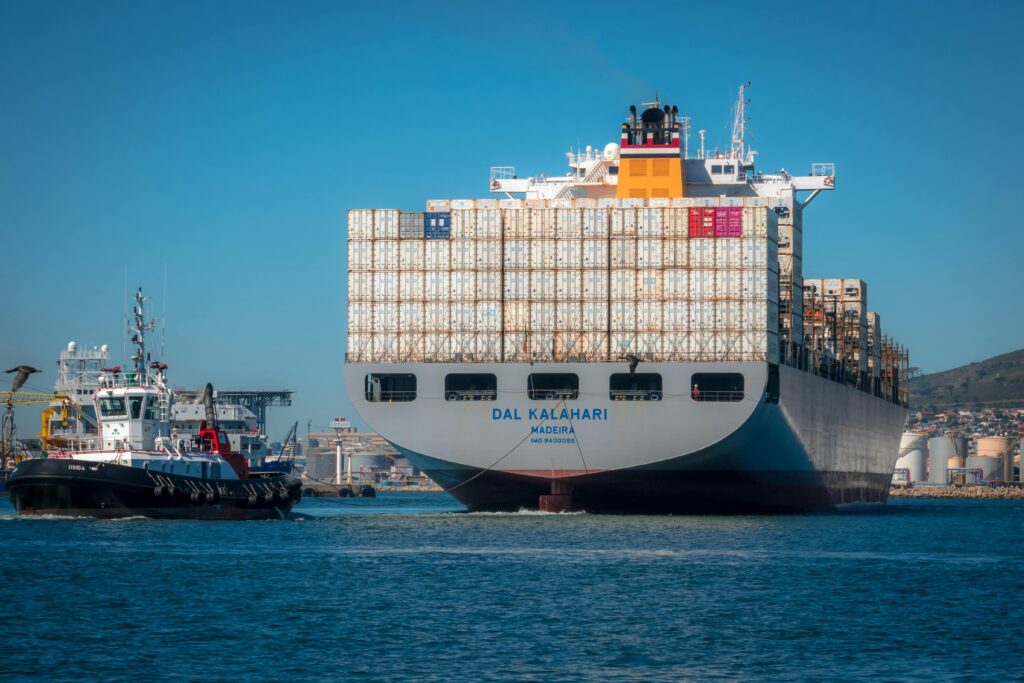
Sea freight remains the backbone of international trade and is the most cost-effective solution for large volumes and non-urgent goods.
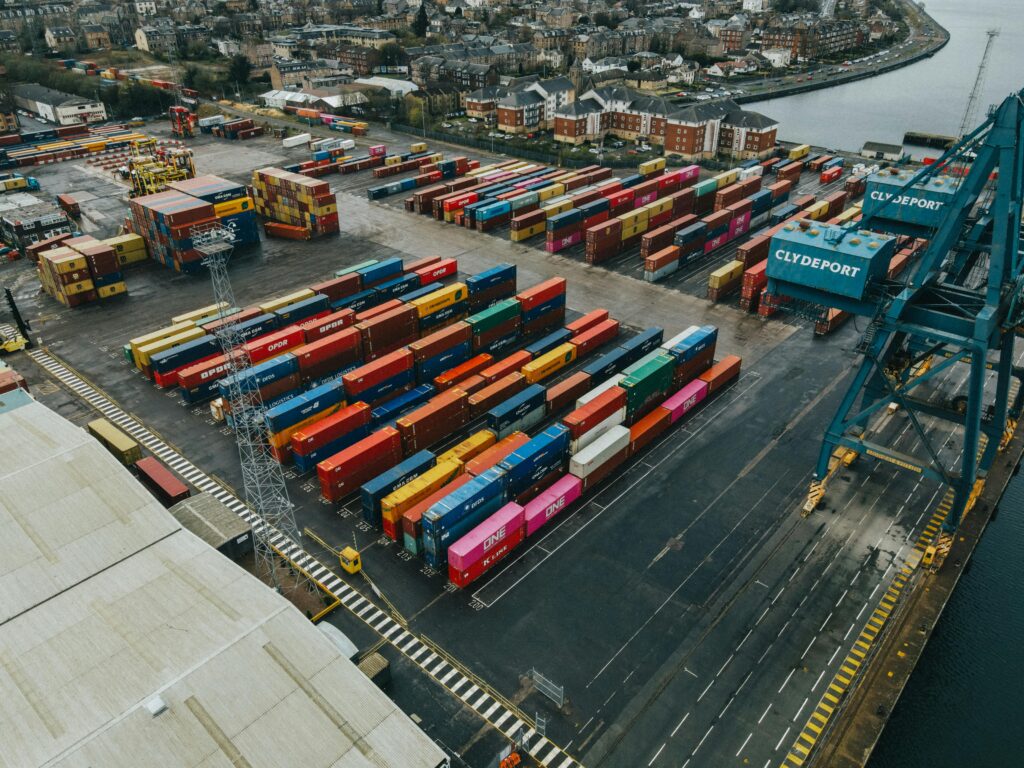
A. Full container (FCL — Full Container Load)
- Who it’s for: clients whose goods fill an entire container (e.g. 20’GP or 40’HQ).
- Advantages: fast loading and unloading, lower risk of damage (no transhipment), lower unit cost.
- Disadvantages: requires a large order volume.
- Transit time: usually 30–45 days to European ports.
B. Groupage container (LCL — Less than Container Load)
- Who it’s for: small and medium shipments that don’t fill a whole container.
- Advantages: the most economical option for small and medium importers — the goods take up only the space they need.
- Disadvantages: longer delivery time (consolidation and deconsolidation at ports), higher risk of delays and damage due to frequent handling.
II. Air freight: speed and special goods
When time is the priority, air transport is irreplaceable.
- Who it’s for: high-value goods (electronics, pharmaceuticals), samples, urgent components and products with a short life cycle.
- Advantages: unmatched speed (usually 5–10 days from loading), high reliability, lower risk of theft.
- Disadvantages: significantly higher cost (often 5–10 times more than sea freight).
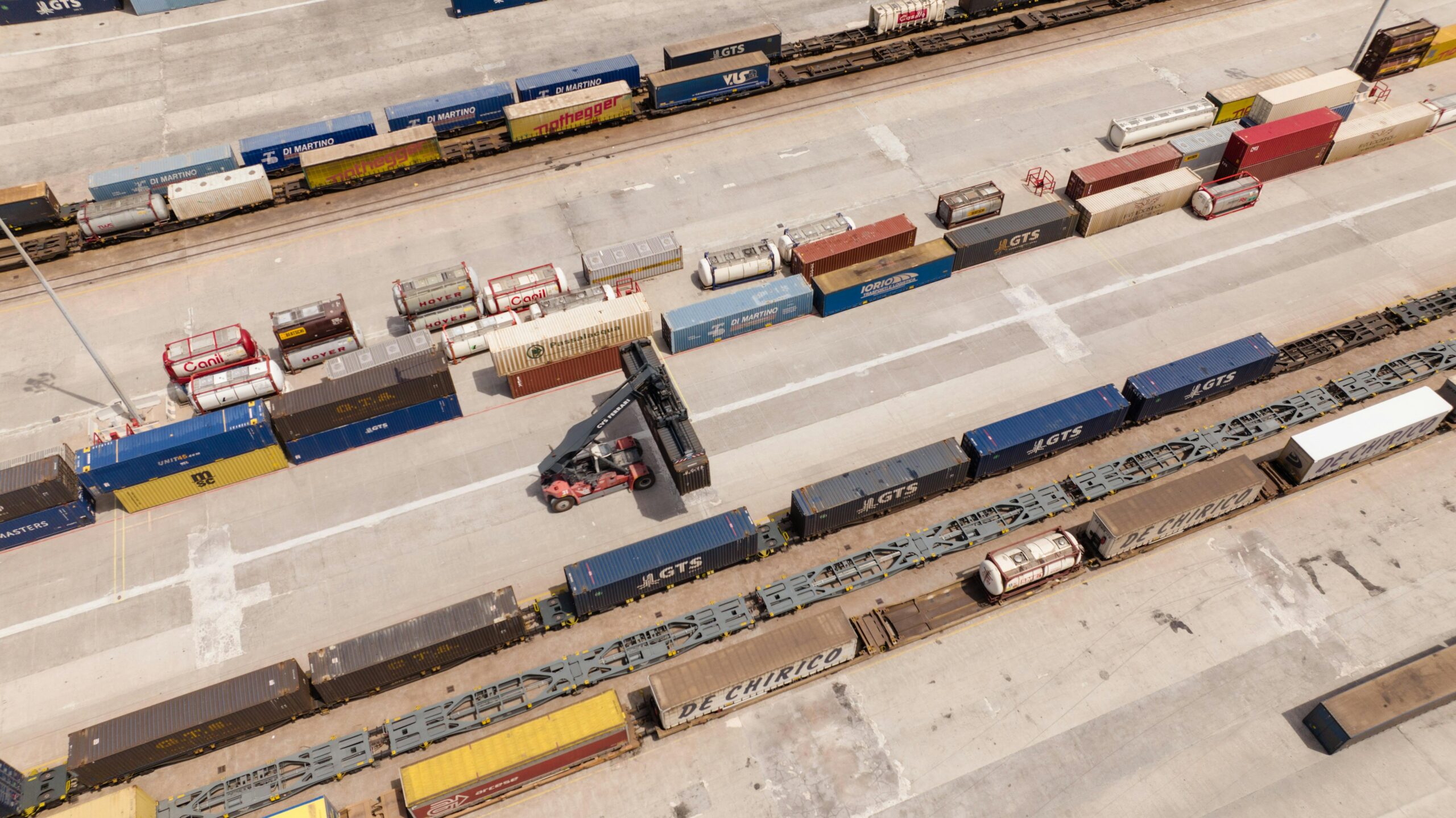
III. Rail transport (an alternative from China)
For companies trading with China, rail is becoming an attractive option, combining the cost efficiency of sea transport with the speed of air.
- Who it’s for: medium and large loads that are not urgent but need to arrive faster than by sea.
- Advantages: transit time of 18–25 days (significantly faster than by sea), lower costs than air transport.
- Disadvantages: only available from mainland China, not from Taiwan.
IV. Key elements of cost and time optimisation
A good logistics strategy rests on two pillars.
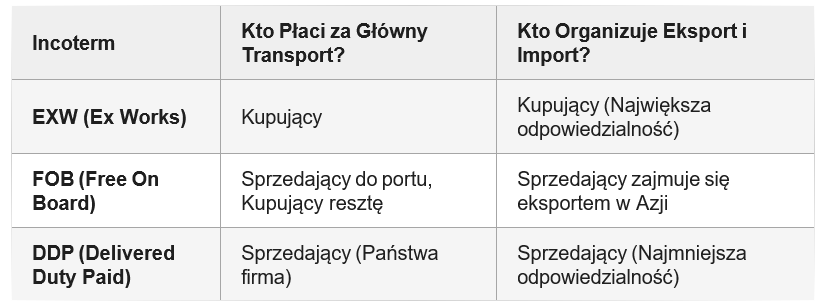
1. The role of Incoterms 2020
Choosing the right Incoterms (international commercial terms) is crucial. They define at which point risk and costs pass from the seller to the buyer.
2. Optimising volume and weight
Transport costs are calculated on the basis of actual weight or volumetric weight — whichever is higher.

Packaging optimisation
Optimising packaging and minimising “empty space” in cartons can drastically reduce transport costs — especially for air freight and LCL.
Conclusion: choosing the means of transport is a dynamic balance between cost and time. With an end-to-end service you don’t have to make this decision alone — we analyse your needs, the nature of the goods and the deadlines to propose the most efficient and secure “A to Z” logistics solution.