From product requirements to supplier selection
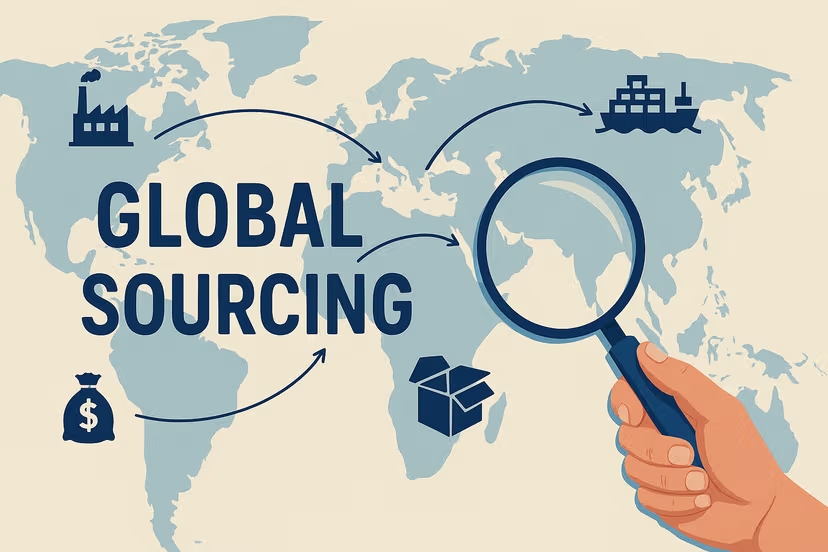
Sourcing — the process of finding and selecting suppliers — is the foundation of every successful export venture from Asia. It is not just about choosing the cheapest offer, but a strategic, multi-stage verification of a partner that will determine the quality of your final product and the reputation of your brand. The right sourcing minimises risk and builds a lasting competitive advantage.
Here are the 7 key steps we use to ensure safe and effective sourcing from China and Taiwan for our clients.
1. Defining the specification precisely (R&D)
Before you contact a factory, you need to know exactly what you need. In end-to-end services we often start with a Research & Development phase. This covers not only technical parameters but also materials, quality standards, packaging and the target budget.
Expert tip: prepare a so-called Golden Sample or a detailed Product Specification Sheet (PSS). It is your legal reference point for quality control.
2. Identifying and verifying potential suppliers
The Chinese and Taiwanese market is huge. The key is to tell reliable manufacturers apart from trading intermediaries. At this stage we verify:
- Legal status: is the company actually a manufacturer (a factory) or just a trading company?
- Export licences: does it hold the necessary export permits?
- References and experience: its track record with the target market (e.g. the European Union or the USA).
3. Factory audit
Online company profiles can be misleading. Real verification requires an on-site visit or commissioning one from trusted partners. A factory audit focuses on:
- Production capacity: can the factory handle the order volume?
- Quality management systems: does it hold ISO certificates (e.g. ISO 9001)?
- Working conditions: social audits (e.g. BSCI, Sedex) confirming ethical production conditions are increasingly important.
4. Negotiations and the final contract
Effective negotiation is not only about lowering the price, but about agreeing clear terms. The key elements of the contract are:
- Incoterms: precisely defining who bears the costs and risks at each stage of transport (e.g. FOB, EXW).
- Payment terms: the standard is a deposit (30%) and payment of the balance (70%) after the quality inspection, before loading.
- Defect clauses: a detailed description of the claims procedure and compensation if the goods do not conform.
5. The role of quality inspection: protection before the goods leave
This is the most important stage for protecting your interests. The inspection must take place before the final payment, i.e. when the supplier is ready to ship. There are three main types:
- PPI (Pre-Production Inspection): checking raw materials and the initial stage of production.
- DUPRO (During Production Inspection): supervising the production process.
- PSI (Pre-Shipment Inspection): the final inspection for compliance with the PSS and the reference sample.
If an end-to-end logistics partner detects non-conformities, payment can be withheld and the defects corrected.
6. Optimising logistics
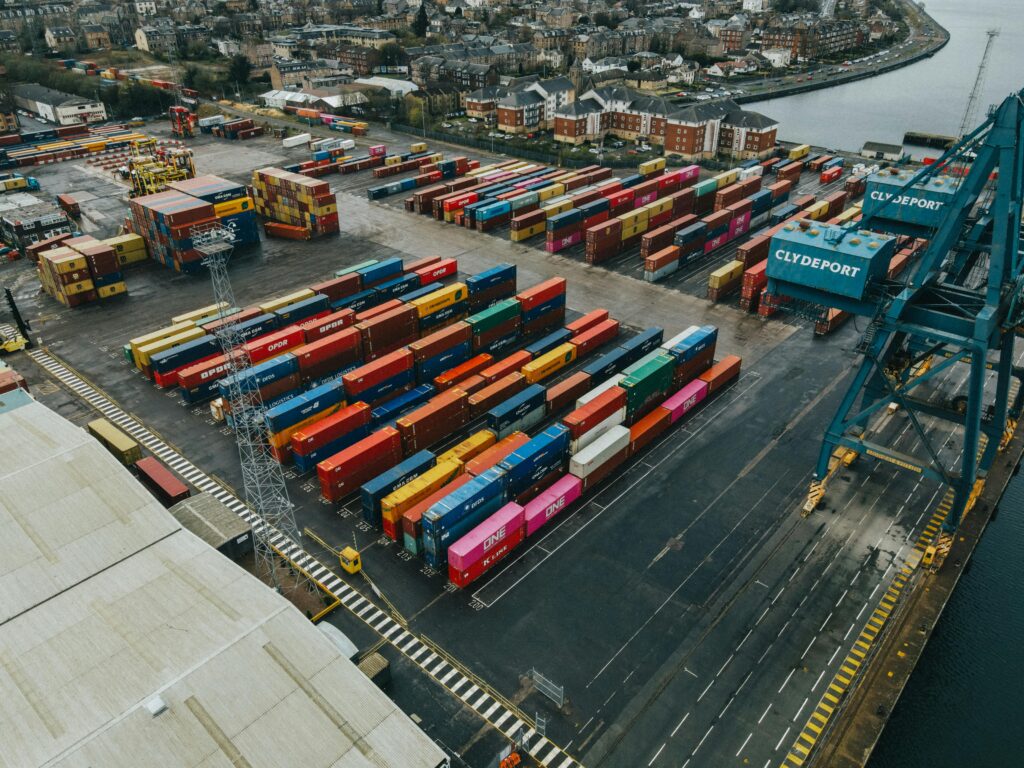
Once the quality of the goods is approved, it’s time for the logistics stage. Choosing the right Incoterms rule is crucial here. We select the optimal freight (sea or air), consolidate shipments (LCL) and prepare the full customs documentation.
7. Monitoring and building relationships
Sourcing is an ongoing process. Maintaining good relationships (guanxi) with the supplier and regularly monitoring quality and timeliness makes it possible to solve problems quickly in the future and obtain better prices on subsequent orders.
Conclusion: effective sourcing from China and Taiwan is an investment in the stability of your business. By entrusting this process to experts, you minimise risk, save time and can be sure the product will meet the expectations of the target market.