1. Where do these “astronomically low” prices come from?
It’s not magic, it’s scale and the ecosystem:
- the full supply chain in one region (components, packaging, assembly),
- factories specialised in one type of product,
- automation and cheap local logistics,
- production “for stock” to follow global trends.
The result? A product that costs PLN 40–50 (approx. EUR 9–12) in the EU can leave the factory for PLN 6–8 (approx. EUR 1.5–2).
2. Categories in which China is unbeatable
The best “price hits” are products that are:
- technically simple,
- free of strict safety standards,
- bought on impulse.
Top categories:
- phone accessories (cables, holders, cases),
- household gadgets (organisers, LEDs, small appliances),
- seasonal goods (garden, holidays, summer/winter),
- practical textiles (covers, bags, accessories),
- viral products from TikTok and Amazon.
3. OEM / private label — the real margin lever
In China:
- you can change the colour, material, logo and packaging,
- you can make a product “your own”, even though it is based on an existing mould,
- the cost of customisation can be negligible at higher volumes.
That’s why many “European” brands are in practice the same product from a different factory.
4. Logistics — cheap, but you need to do the maths
Options:
- container (FCL/LCL) — the cheapest per unit,
- China–Europe rail — a compromise between time and price,
- air freight — only for small, expensive products.
Key point: calculate the cost per unit after customs clearance, not just the EXW price.
5. Risks that eat your margin (if you ignore them)
- the “golden sample” ≠ series production,
- variable quality between batches,
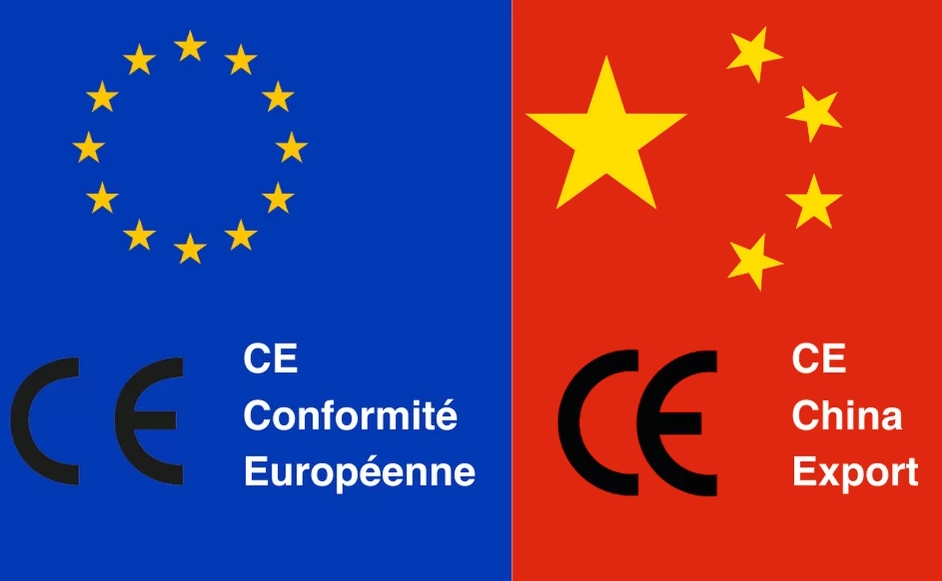
- missing certificates → goods held,
- product copying (if it sells well).
That’s why you need:
- a pre-shipment inspection — a must-have,
- a contract and a technical specification,
- at least two suppliers for a key product.
6. When is China a winner, and when is it a trap?
A winner when:
- you compete on price and scale,
- you are testing the market,
- you sell via e-commerce or marketplaces,
- fast turnover matters.
A trap when:
- you are building a premium brand,
- the product must be perfectly repeatable,
- you have a low tolerance for complaints.
Summary — brutally honest
China means:
- the best place for price hits,
- huge margins with good management,
- a heavy penalty for lack of control.
It’s not a “set and forget” market — it’s a market for active players.