Documentation, customs duty and taxes
Hidden customs traps: everything you need to know about customs duty, VAT and certification of goods from China and Taiwan (CE, RoHS).
Obligations and import preparation
Many importers focus on price and product quality, forgetting that the real bottleneck of exporting is customs and tax regulations and the certification requirements of the destination country. A classification error, a missing certificate or incorrectly organised customs clearance can result in confiscation of the goods, heavy penalties and delays counted in weeks.
For us, a comprehensive DDP (Delivered Duty Paid) service means taking on all these risks. Here are the key legal and customs issues we need to settle when exporting from Asia.
1. Tariff classification: the basis for calculating duty
The first step after goods arrive in the customs area is their tariff classification. Every product in the world is assigned a unique 6-digit HS (Harmonized System) code, which together with further digits forms the national code (e.g. the 10-digit TARIC code in the EU).
- Significance of the HS code: this code determines the duty rate and whether the goods are subject to any restrictions or requirements (e.g. anti-dumping).
- Risk: incorrect classification, often used by inexperienced importers to reduce duty, is treated as customs fraud and is subject to severe financial penalties.
2. Customs duty, VAT and customs value
A. Customs duty
Customs duty is calculated as a percentage of the customs value of the goods. The customs value is usually the transaction value (purchase price) plus transport and insurance costs to the EU border or destination country.
Watch out for anti-dumping: some products from China (e.g. bicycles, ceramics, screws) are subject to an additional anti-dumping duty, which can reach several dozen per cent. Detailed verification is essential.
B. VAT
In the destination country the goods are subject to VAT, which the importer must account for after customs clearance.
3. Certification requirements and product compliance
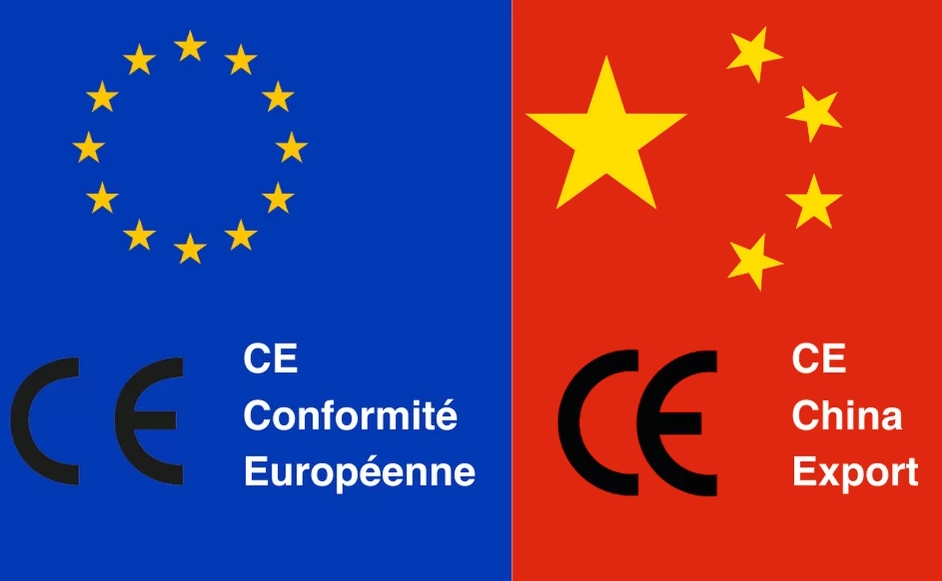
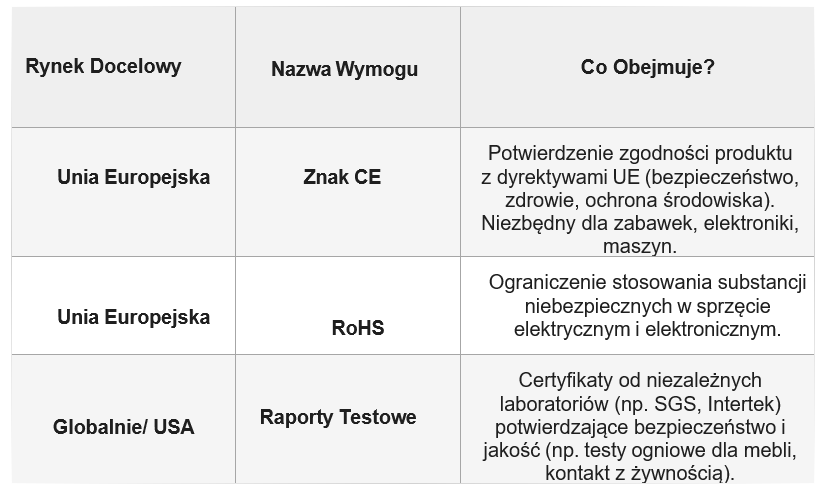
Missing certificates or declarations of conformity are the most common reason for goods being held. Your product must comply with the requirements of the market it is placed on (EU, USA, etc.).
Support in practice
The key role of an end-to-end partner: suppliers in China and Taiwan often don’t know all EU and US requirements. We need to verify whether the supplier holds valid certificates, or help arrange laboratory testing of the product before shipment.
Conclusion: international trade with Asia is complex, but it doesn’t have to be risky. Correct documentation, classification and certification are the shield protecting your interests. By entrusting your export to a company specialising in DDP service, you can focus on sales and growth and leave customs and tax matters to the experts.